
Scientific Journal Cover Design: Concept, Submission and Credit
Develop one research-based visual concept, check the target journal’s cover process, and verify archive artwork, official adoption and design credit as separate records.
Begin with the research theme
Choose the object or relationship the cover should communicate. Identify what is physically represented and what is a metaphor. Scientific authors must approve that interpretation before modeling, compositing or dramatic lighting makes the concept look final.
Inspect examples without merging their status
The Nature Chemistry Atherton–Todd archive uses one central molecule and controlled depth. The robot-rat archive emphasizes interaction between two subjects. The Nature Photonics candidates compare two compositions and are recorded as not selected. A journal name printed on an image does not by itself prove adoption.
Follow a staged submission process
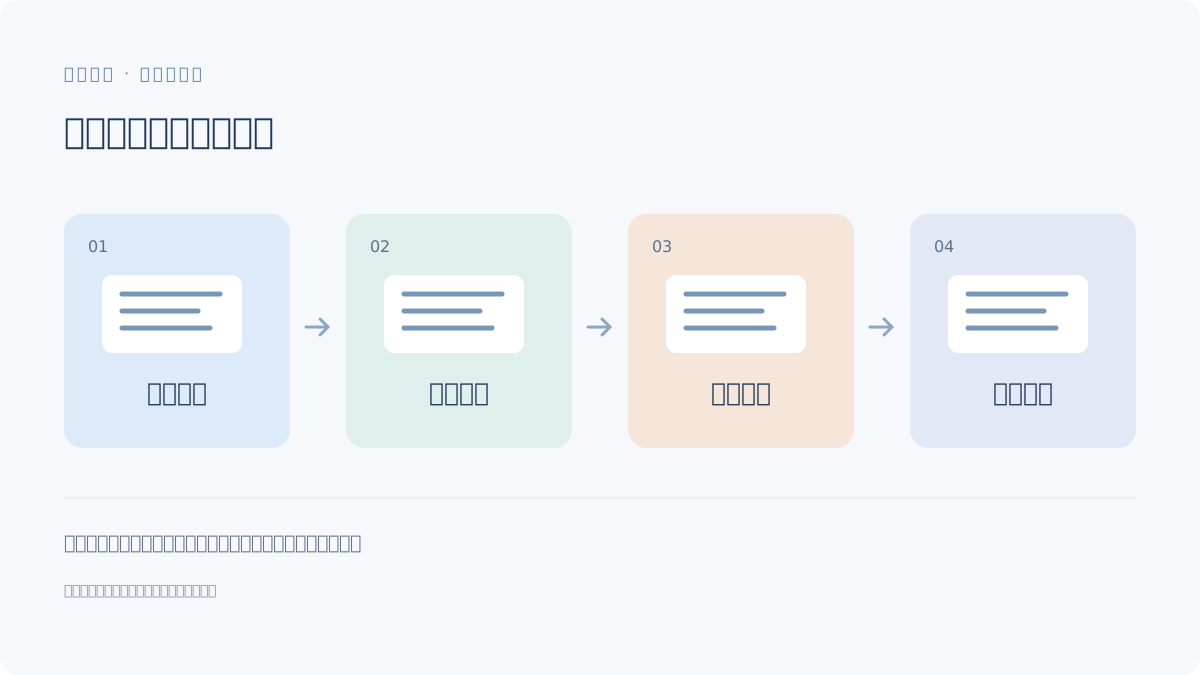
- Confirm the journal, intended issue or submission route and current cover instructions.
- Agree the concept, research interpretation and image permissions.
- Review composition before detailed production.
- Inspect final artwork at the requested size, including masthead and text-safe areas.
- Prepare the requested explanation, credits and submission files.
- Retain the submitted version and the publisher's response separately from any later official cover.
Distinguish archive, official cover and credit
A project archive may predate editorial cropping, typography or a revised issue date. Verify the final issue page and any published credit independently. Preserve archive discrepancies rather than retouching them to match a claim. The cobalt-cluster and robot-rat entries keep their version notes visible.
Complete the handoff
Record the approved scientific concept, file dimensions, format, rights and caption. Check any generation/disclosure policy for the target journal. A commissioned design does not guarantee cover selection. Consult cover-caption writing, cover services and quotation preparation.




Sources and scope
Sources apply within their stated scope. Archive records describe existing work; international account access and checkout remain closed.
Choose the next step
Understand the platform · Scope a design commission · Contact support