
How to Make a Graphical Abstract
Write the paper’s central message in one sentence, select the objects needed to explain it, and compose the graphical abstract for its actual submission category.
Define the message before the artwork
Identify the question, approach and supported outcome. List what a reader must understand without the main-text detail. If several controls or measurements are essential to justify a claim, keep them accessible in the paper rather than converting them into tiny labels in a summary image.
Test a simple narrative sketch
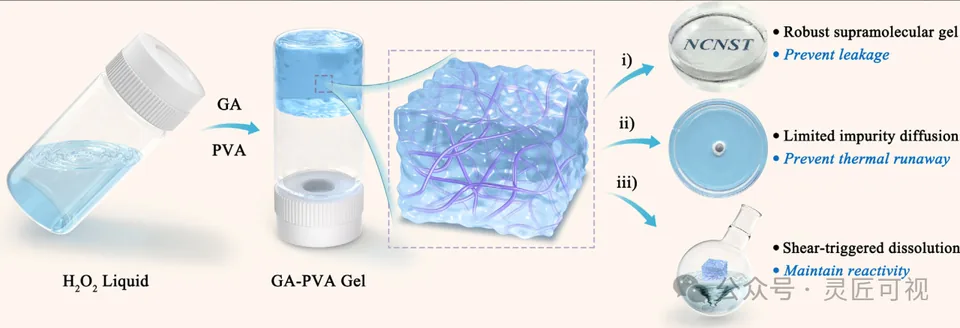
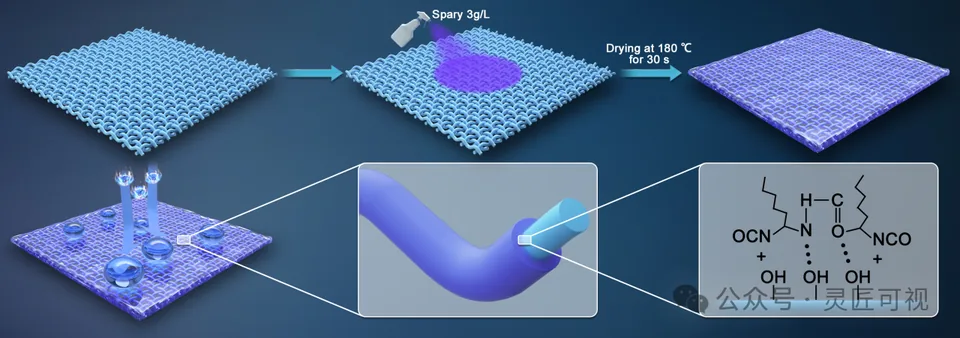
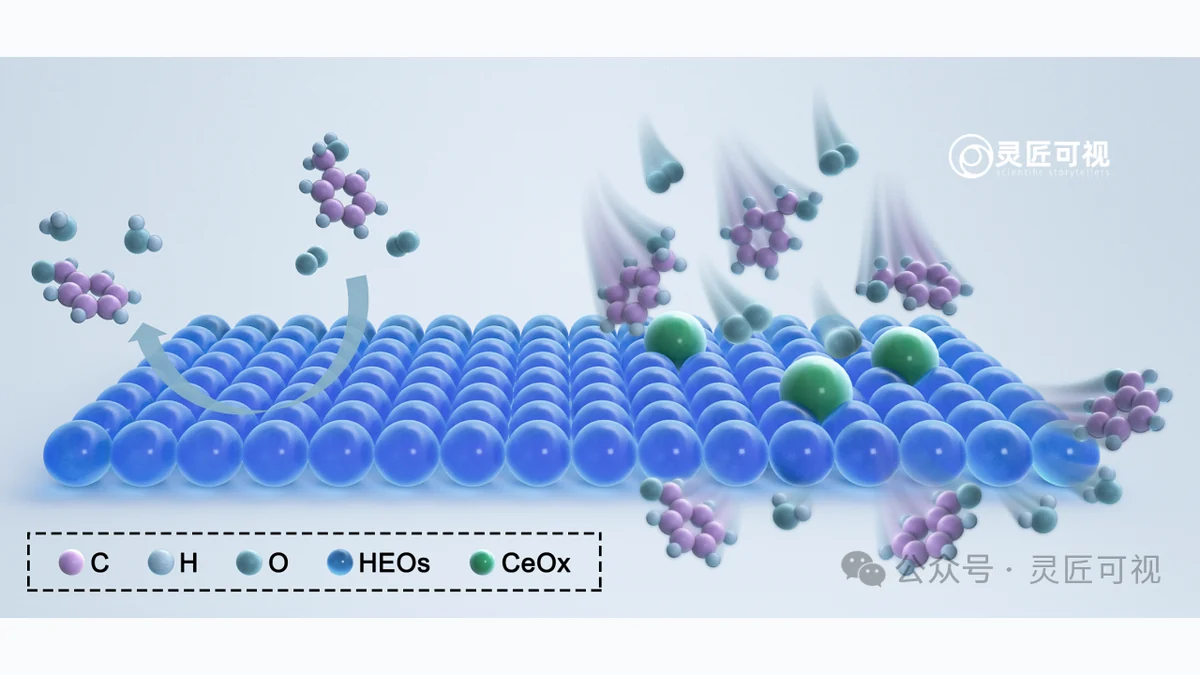
Start with input, process and outcome as three possible roles, not mandatory boxes. Draw only the relationships needed for the chosen message. A material–application overview may need an inset; a comparison may require parallel routes. The pectin archive shows how a common starting point makes several routes comparable.
Distinguish summary content from TOC specifications
“Graphical abstract” and “TOC graphic” do not establish the same file rules across publishers. Read the journal's current instructions for dimensions, labels, file type and submission field. A TOC version may need fewer elements and a new composition. Use the TOC tutorial when the journal requests a directory graphic.
Use style consistently
Assign each color a role and keep the same object identity between the summary and the paper. Define abbreviations where permitted. Inspect the final-size export for labels, arrows and reading direction; do not rely on zooming the canvas. Check material permissions and any image-generation disclosure requirements before submission.
Graphical abstract design is a separate commission from main-text paper figures. Prepare the approved abstract, key entities and journal instructions before requesting a quote.

Sources and scope
Sources apply within their stated scope. Archive records describe existing work; international account access and checkout remain closed.
Choose the next step
Understand the platform · Scope a design commission · Contact support